0468 371 051Call
Mobile service · We come to you

Mobile Fuel Tank Polishing

Fuel, AdBlue and hydraulic tanks cut back from chalky white oxidation to a clean, reflective finish, then sealed, at your depot, yard or home.

  • Aluminium, stainless steel
  • 5.0 ★ on Google
  • Updated October 2026
Overview

What is mobile fuel tank polishing?

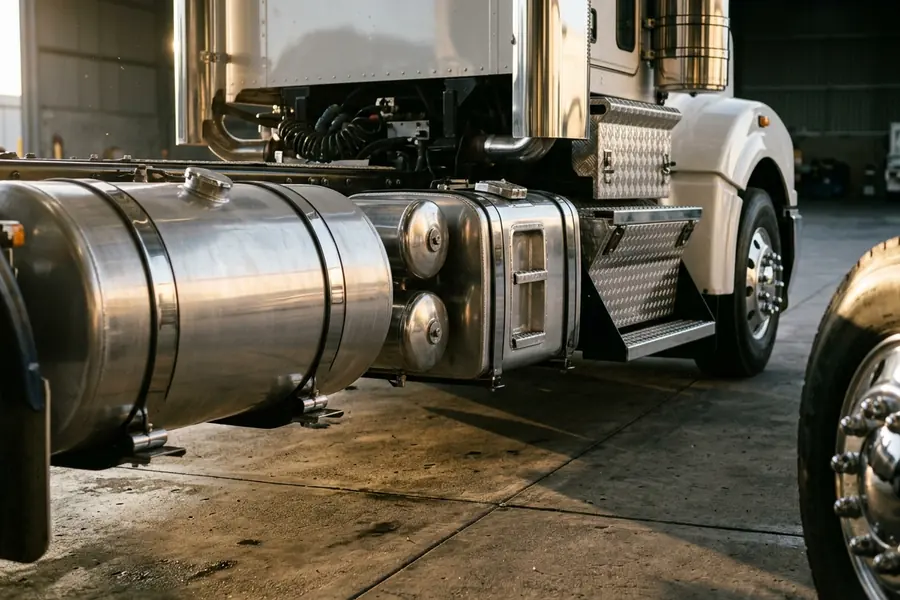
Mobile fuel tank polishing is the on-site restoration of a truck's aluminium or stainless tanks. We cut back white oxidation, acid-wash haze and stains, polish the tank, straps and end caps to a mirror finish, and seal it so oxidation is slower to return.

Key facts

ServiceFuel Tank Polishing
WhereAt your depot, yard, truck stop or home (mobile only)
Parts coveredFuel tanks, AdBlue tanks, hydraulic tanks, tank straps and end caps
MetalsAluminium, stainless steel
FinishMirror or satin, sealed for protection
Service areaSydney and surrounding NSW
BookingOpen 24 hours, 7 days
QuoteFree, from 2–3 photos by text, WhatsApp or the form below

What's included

  • Tank body, end caps and straps
  • Fuel, AdBlue and hydraulic tanks
  • Heavy white oxidation and acid-wash haze removed
  • Steps and filler areas detailed
  • Mirror finish and protective sealant
Guide

Truck fuel tank polishing in Sydney

We polish aluminium and stainless truck fuel tanks on-site across Sydney and surrounding NSW, from light haze to heavy white oxidation, without removing the tanks or emptying them.

Aluminium fuel tanks

Bare aluminium oxidises fastest. We cut back the white, chalky layer in one or more stages, then polish and seal the tank, straps and end caps.

Stainless steel tanks

Stainless tanks suffer from tea-staining and washing marks rather than oxidation. They are polished with a different compound to bring back an even reflection.

AdBlue, hydraulic and air tanks

The smaller tanks are polished in the same visit so the whole side of the truck matches.

Keeping tanks bright

Wash with a pH-neutral truck wash, avoid acid cleaners and book a polish every three to six months before oxidation sets in deep.

Problems we fix

What fuel tank polishing fixes

1
White oxidationUnprotected aluminium tanks turn chalky white, which spreads and gets harder to remove over time.
2
Acid-wash hazeTruck-wash chemicals can leave a cloudy film that dulls the whole tank.
3
Diesel and grime stainsSpills around the filler and road grime leave dark marks on the tank.
4
Dull, uneven finishTanks polished unevenly in the past show patches and lines.
Our process

How we do fuel tank polishing, step by step

  1. Inspect and mask

    We check the tanks, mask the filler cap, labels and nearby paintwork.

  2. Degrease

    Diesel residue and road grime are removed from the tank surface.

  3. Cut

    One or more cutting stages remove oxidation and haze, depending on how far it has gone.

  4. Polish

    Finer compounds bring the tank, straps and end caps to an even mirror finish.

  5. Seal and inspect

    A sealant is applied and you check the tanks with us before we leave.

Real jobs, on camera

Watch the shine happen

Polishing videos from real depots and yards, straight from our Facebook page.

How often should it be done?

Aluminium fuel tanks on working trucks usually need polishing every three to six months. Leaving them longer lets oxidation set in deeper, which takes more cutting to remove. A sealant and a gentle truck wash keep them brighter in between.

What affects the price?

We quote from photos rather than guess. These are the main factors:

  • Number and size of tanks (fuel, AdBlue, hydraulic)
  • How deep the oxidation goes
  • Straps, steps and end caps included
  • Several trucks at one site in one visit
FAQ

Fuel Tank Polishing: FAQ

Can heavily oxidised fuel tanks be restored?

In most cases, yes. Heavy oxidation takes extra cutting stages, but aluminium tanks can usually be brought back to a mirror finish. Send photos and we will tell you what is achievable.

Do you polish AdBlue and hydraulic tanks?

Yes. AdBlue, hydraulic and air tanks are polished the same way as fuel tanks, along with the straps and end caps.

Is it safe to polish a fuel tank with fuel in it?

Yes. Polishing works only on the outside surface of the tank and never opens it. We mask the filler cap, keep the area clean and follow your site safety rules.

Why do my tanks go white again after washing?

Some truck-wash chemicals strip protection and etch aluminium, leaving a white haze. Polishing removes it, and a pH-neutral wash helps it last.

How often should truck fuel tanks be polished?

Every three to six months for most working trucks. Coastal or heavily washed trucks may need it more often.

Do you polish fuel tanks on-site in Sydney?

Yes. Fuel tank polishing is done on the truck at your depot, yard or home anywhere in Sydney and surrounding NSW.

Free quote

Get your truck shining

Tell us what needs polishing and where the truck is parked. We usually reply the same day.

Please enter your name.
Please enter a valid phone number.
Please tell us the suburb.
What needs polishing?
Pick at least one.
We only use your details to reply to this request.

Thanks, request received

We'll be in touch shortly. Need it sooner? Call 0468 371 051.